 Mexican Media Brands
Ford Puts McDonald’s Coffee to Use in Car Parts
Ford Motor Co. plans to begin using composite materials derived from coffee remnants supplied by fast food giant McDonald’s Corp. in future vehicle parts to reduce weight and enhance sustainability.
Share


Ford Motor Co. plans to begin using composite materials derived from coffee remnants supplied by fast food giant McDonald’s Corp. in future vehicle parts to reduce weight and enhance sustainability.
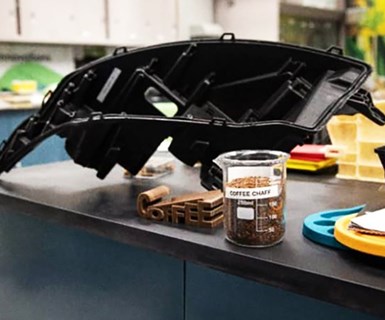
The partners discovered that coffee chafe—the dried skin of the bean extracted during the roasting process—can be converted into a durable material to reinforce headlight assemblies and other components. Roasting in a low-oxygen environment and then pelletizing the chaff with plastic and other additives allows the material to be formed into various shapes.
Ford says the material can reduce part weight by as much as 20% and requires about 25% less energy during the molding process. Heat properties of the chaff components are significantly better than those made with other materials. In some cases, coffee-sourced parts outperform traditional materials.
Among the first applications for the material will be in the headlight housings of the Mustang pony car and Lincoln Continental sedan. Plymouth, Mich.-based Varroc Lighting Systems Inc., which supplies the headlamps, and Competitive Green Technologies will process the coffee chaff.
Ford plans to expand use to other vehicles and components, including interior systems and underhood parts.
RELATED CONTENT
-
Choosing the Right Fasteners for Automotive
PennEngineering makes hundreds of different fasteners for the automotive industry with standard and custom products as well as automated assembly solutions. Discover how they’re used and how to select the right one. (Sponsored Content)
-
Multiple Choices for Light, High-Performance Chassis
How carbon fiber is utilized is as different as the vehicles on which it is used. From full carbon tubs to partial panels to welded steel tube sandwich structures, the only limitation is imagination.
-
Things to Know About Cam Grinding
By James Gaffney, Product Engineer, Precision Grinding and Patrick D. Redington, Manager, Precision Grinding Business Unit, Norton Company (Worcester, MA)